
Coordinate repairs with the enrolled facility contact
If a building or suite already uses the Annual Facilities Program, verify its current registered space and responsible design contact. Route inspected repair work through the assigned City team and retain any conditions before concealment. Program registration and a drying assessment do not provide blanket construction approval.
Keep live inspection readiness separate from the drying record
A residential plumbing repair may qualify for a scheduled City video inspection, but eligibility, connectivity and the actual result need separate confirmation. Identify the safe camera contact and any in-person fallback. An invitation or clear video feed does not replace the issued inspection result or material-drying evidence.
Record roof-outlet maintenance separately from indoor drying
Before another storm, a qualified roof professional can discuss inspection and clearing of roof drains or scuppers. Ask for outlet-specific findings and separate routine maintenance from repair or design changes. Those findings do not establish indoor moisture completion; keep the roof and material-assessment records distinct.
Preserve the verified pool enclosure during equipment access
If drying equipment would pass through a pool-side opening, tell the assessor whether that door or gate belongs to the actual pool barrier. Agree an access route that preserves the required enclosure and safe exits before placement. An added alarm alone does not establish that a disabled physical barrier is acceptable.
Recheck requirements when urgent work becomes repair
Immediate stabilization and later painted-surface repairs may have different requirements in an older home. Ask the qualified firm to identify the task boundary and the records that remain required. Material-drying findings do not establish compliance with lead-safe renovation rules, and a repair credential does not establish that concealed materials have reached the agreed drying criteria.
Keep disputed repairs separate from new work
A pending contractor complaint or compensation claim is not assured financing for the next drying agreement. Obtain the actual material assessment, agreed charges and written authorization for current work. Keep the earlier contract and official claim status separately so a new proposal is not mistaken for a reimbursement decision.
Use a drawing that matches the building
An original drawing can help a drying assessor discuss access, but the design number and built options still need verification. In a subdivision home, the reusable standard-plan owner may differ from the current homeowner. Ask who can obtain the appropriate record, and keep an unconfirmed plan separate from observed material conditions.
Dry surfaces can hide wet materials
Phoenix heat does not establish that insulation, wall cavities or the underside of flooring are dry. An assessment should distinguish surface appearance from measurements of affected materials. Ask which areas are being checked and what baseline or dry standard is being used. See the moisture-log interpretation questions for the next assessment conversation.
Know why equipment is being used
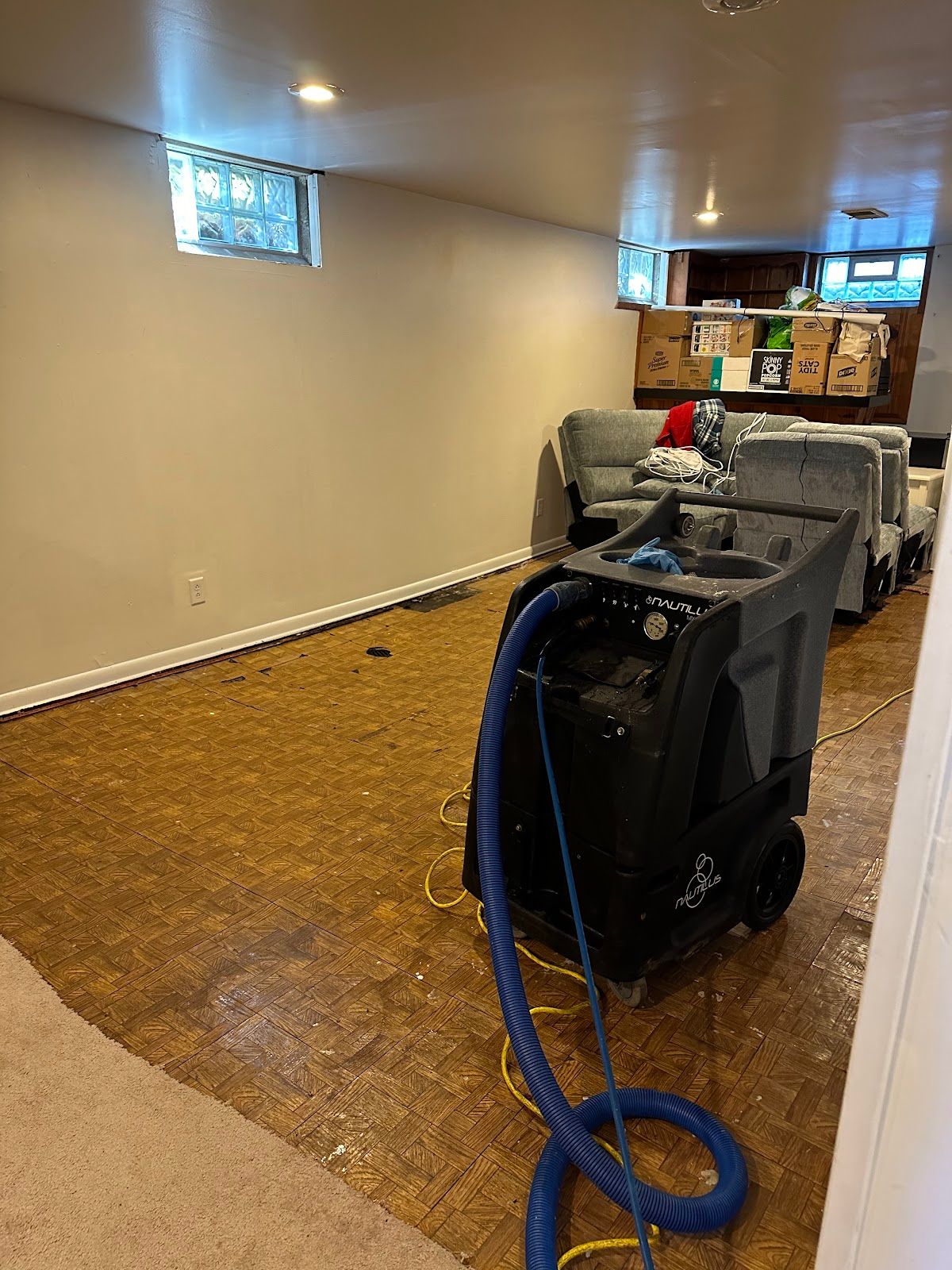
Air movement, dehumidification and temperature management have different jobs. Placement depends on the materials, layout and contamination concerns. Do not move equipment or change settings without instructions from the attending professional; ask whom to contact if equipment stops or conditions change. See the drying-equipment interruption report for the next assessment conversation.
Define the stopping point in writing
Ask how readings and equipment days will be documented, how progress is reviewed and what happens if moisture remains inaccessible. Separate drying from replacement flooring, painting or structural repairs. Obtain the completion record and written exclusions before accepting the scope as finished. Use the Wet porous materials in a Phoenix home: ask for a material-by-material decision guide to prepare that assessment conversation.
Common questions
Can outside heat replace drying equipment?
Outdoor weather alone does not tell you whether concealed building materials are dry. Use the actual assessment and measured progress. Use the Check an Arizona contractor record before water-damage work expands into repairs guide to prepare that assessment conversation.
How many days will drying take?
The materials, amount of water, access and equipment plan affect duration. This site does not promise a fixed drying time.
Prepare the written scope
Use the restoration quote comparison guide to separate the assessment, work and exclusions. For immediate preparation, read first steps after water damage.
Official resources
- Phoenix monsoon resources ↗
- EPA mold and moisture guidance ↗
- Arizona contractor license search ↗
- FEMA returning home after a flood ↗
Official resources provide general guidance. They do not establish a provider’s availability or endorse this website.